sugar mill montessori, montessori school of sugar land sienna, southglenn montessori preschool
The Montessori Method: An Overview
The Montessori method is a child-centered educational approach that emphasizes hands-on learning, self-directed activity, and collaborative play. Developed by Dr. Maria Montessori over a century ago, this innovative philosophy focuses on the natural development of children, allowing them to explore their interests at their own pace. This method fosters independence, critical thinking, and a lifelong love of learning.
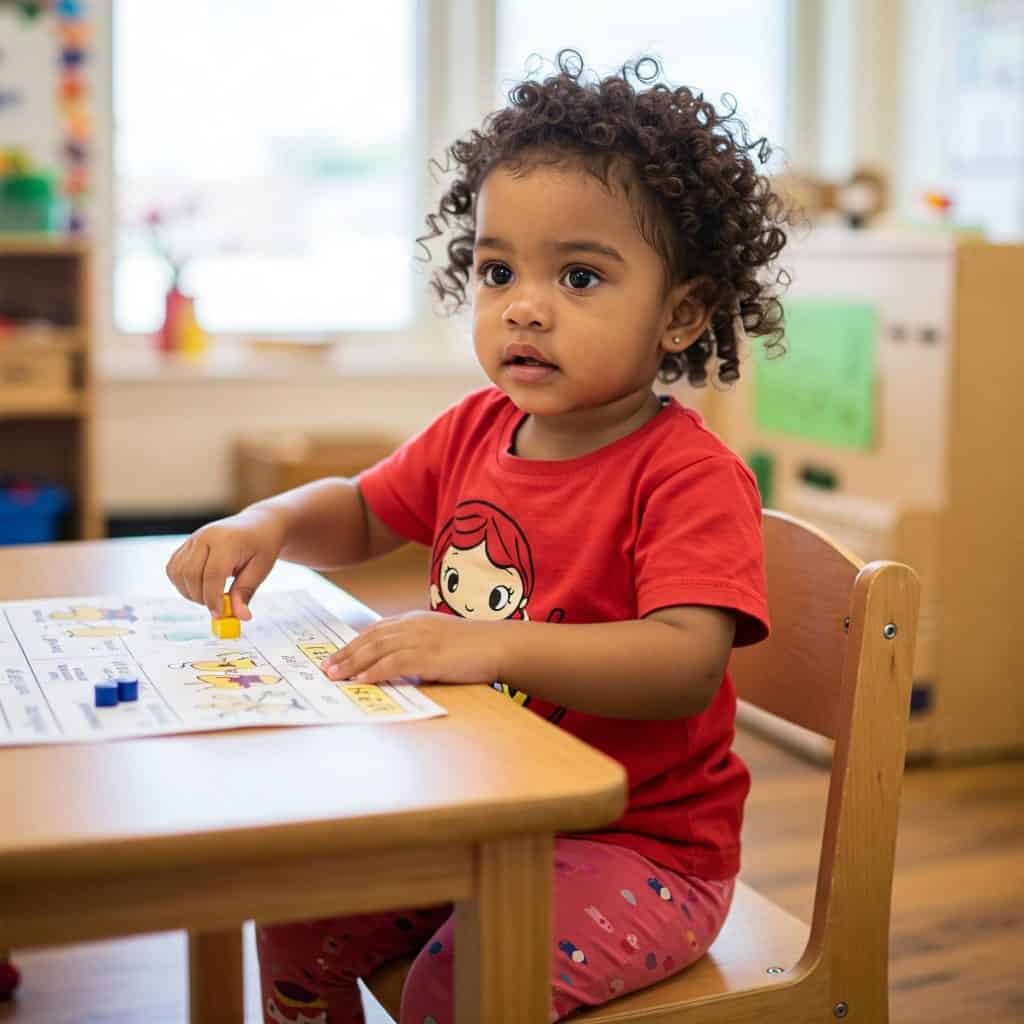
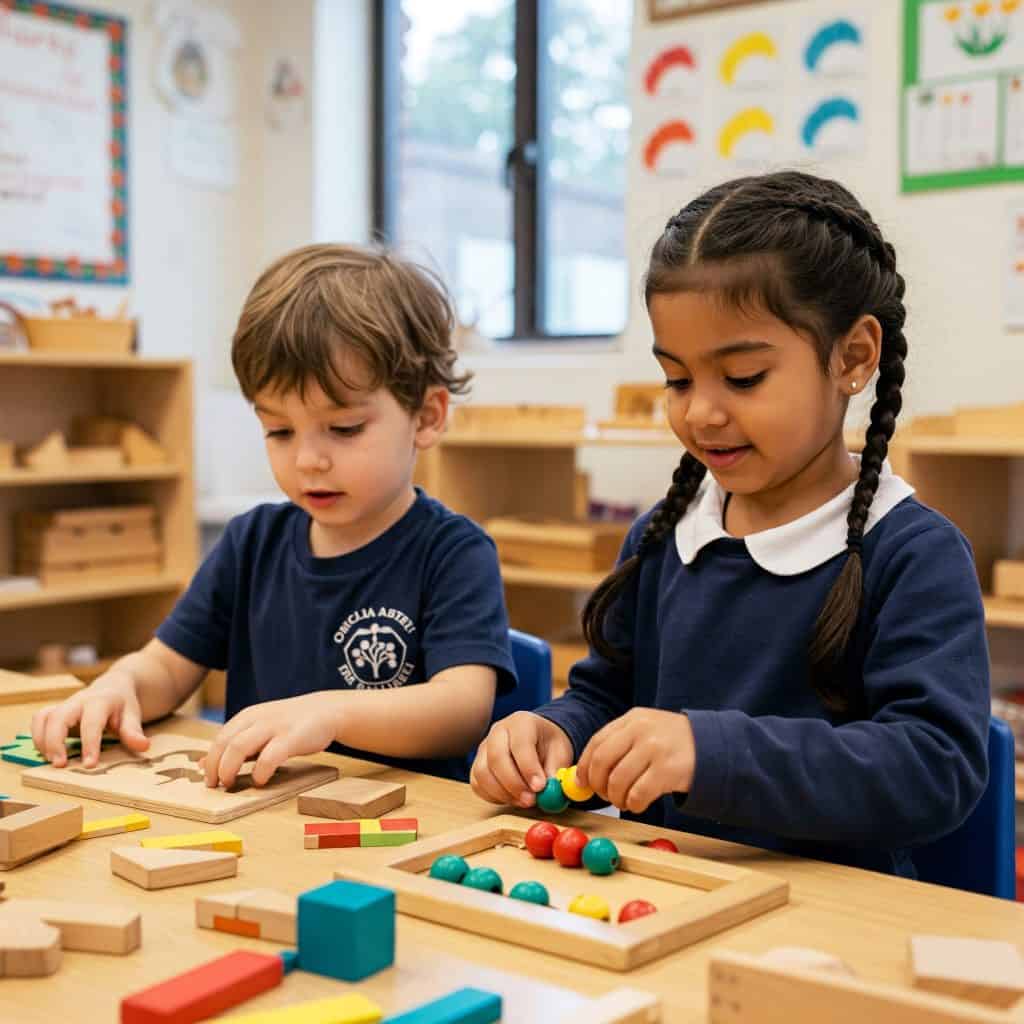
In Montessori classrooms, children are provided with a carefully prepared environment that encourages exploration and discovery. Materials are designed to be tactile and engaging, promoting sensory experiences that enhance learning. By allowing children to choose their activities, the Montessori method cultivates intrinsic motivation and self-discipline, essential skills for lifelong success.
Benefits of Montessori Education
Montessori education offers numerous benefits that contribute to the holistic development of children. Research shows that children in Montessori programs tend to develop strong academic skills, social abilities, and emotional resilience. The individualized learning approach allows children to progress at their own pace, fostering a deeper understanding of concepts and encouraging a passion for learning.
Moreover, Montessori education emphasizes the importance of social interaction and collaboration among peers. Children learn to work together, resolve conflicts, and build meaningful relationships, which are vital skills in today’s interconnected world. This environment not only enhances cognitive development but also nurtures emotional intelligence, preparing children for future challenges.
Parent Involvement in Montessori Education
Active parent involvement is crucial in the Montessori educational framework. Parents are encouraged to participate in their child's learning journey by engaging in school activities, attending workshops, and fostering a supportive home environment that aligns with Montessori principles. This collaboration strengthens the bond between home and school, creating a consistent learning experience for children.
Furthermore, parent education programs offered by Montessori schools equip families with the tools and knowledge to support their child's development. By understanding the Montessori philosophy, parents can reinforce concepts learned in school and create enriching learning opportunities at home, ensuring a comprehensive educational experience.
Exploring Montessori Curriculum Components
The Montessori curriculum is divided into several key areas, including practical life, sensory development, language, mathematics, and cultural studies. Each component is designed to engage children in meaningful activities that promote skill acquisition and cognitive growth. Practical life exercises, for instance, help children develop coordination, concentration, and independence through everyday tasks.
In addition to core subjects, Montessori education incorporates cultural studies that expose children to the diversity of the world around them. This holistic approach not only enriches their knowledge but also fosters respect and appreciation for different cultures, preparing them to be global citizens. The integration of various subjects encourages a well-rounded education that nurtures both the mind and the spirit.