Montessori School of Sugar Land curriculum

Learning that begins with wonder.

Our authentic Montessori curriculum gives children from infancy through age six the freedom, materials, and guidance to build independence, concentration, confidence, and a lasting love of learning.

Hands-on learningPurposeful classroomsIndividualized progress
The Montessori difference

Children learn best by doing.

Montessori is more than a collection of activities. It is a carefully prepared environment where each material has a purpose and children can follow meaningful work at their own pace. Our educators observe, guide, and encourage—helping every child make discoveries for themselves.

Choice with purposeFreedom within clear, caring boundaries.
Concrete to abstractHands learn first; understanding grows naturally.
Whole-child growthAcademic, social, emotional, and physical development.
A connected journey

Beautifully prepared for every early stage.

Our curriculum meets children where they are, then thoughtfully supports what comes next.

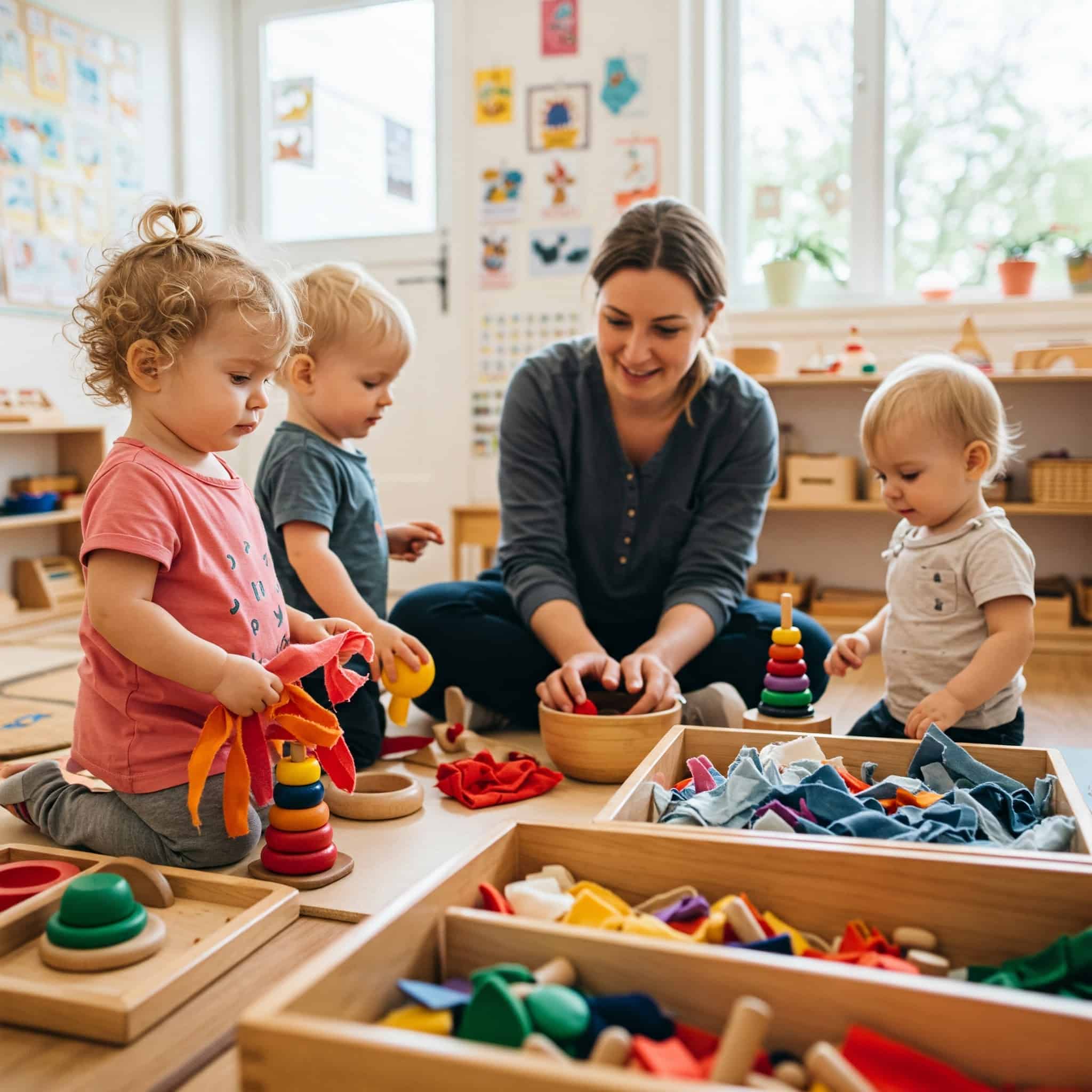
Montessori 0–3

In the first three years, children absorb language, movement, order, and connection. Nurturing spaces support independence from the very beginning through meaningful routines, rich language, and freedom to explore.

Explore Infant Program →
Montessori 3–6

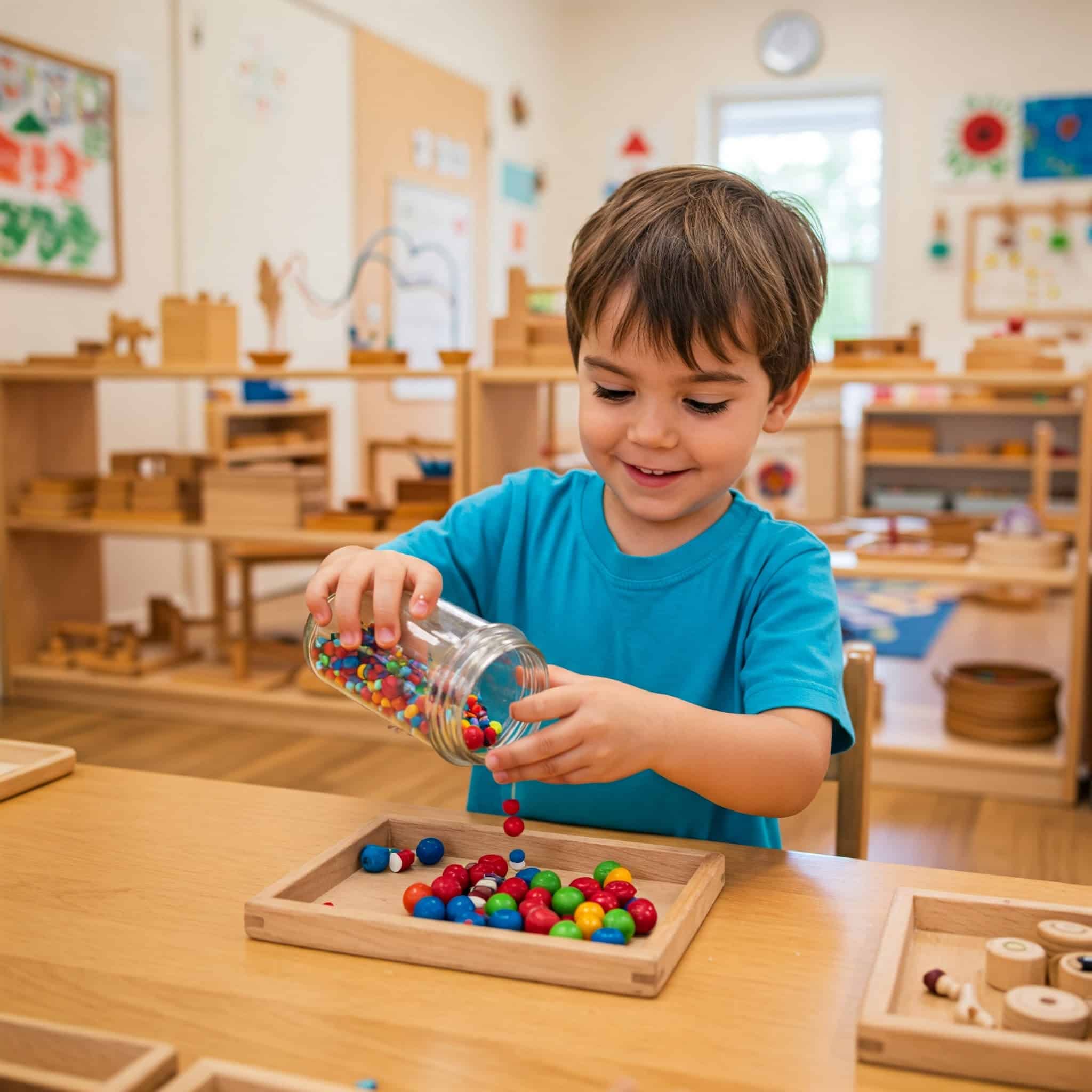
Children enter a powerful period of self-construction. Our Primary environment invites them to explore practical life, sensorial work, language, mathematics, culture, art, and science with growing confidence.

Explore Primary Program →
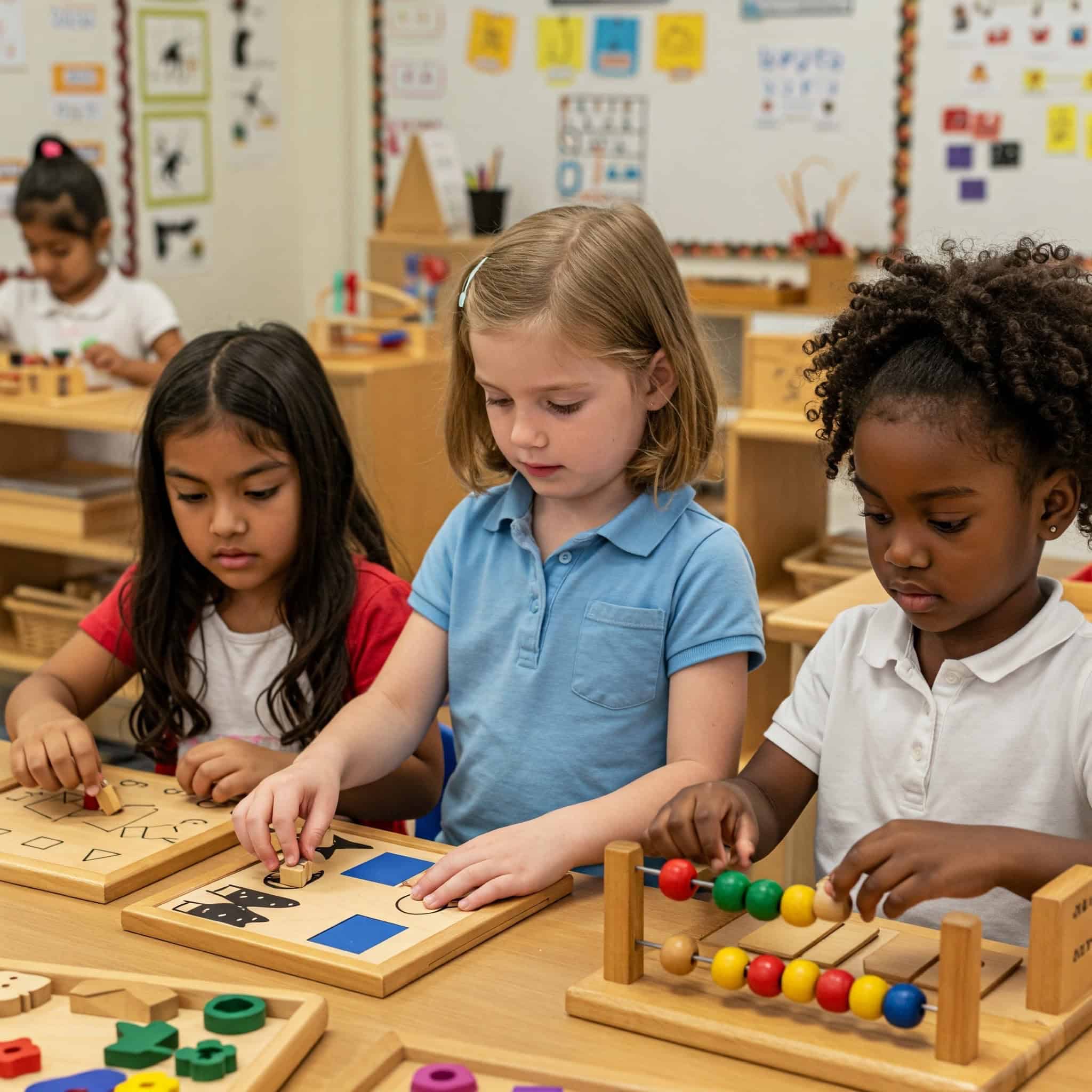
The prepared classroom

Five areas that make learning tangible.

Each curriculum area works together to build the skills children need for school—and for life.

Montessori practical life classroom activity

Practical Life

Pouring, buttoning, food preparation, cleaning, and caring for the environment build coordination, concentration, independence, and quiet confidence.

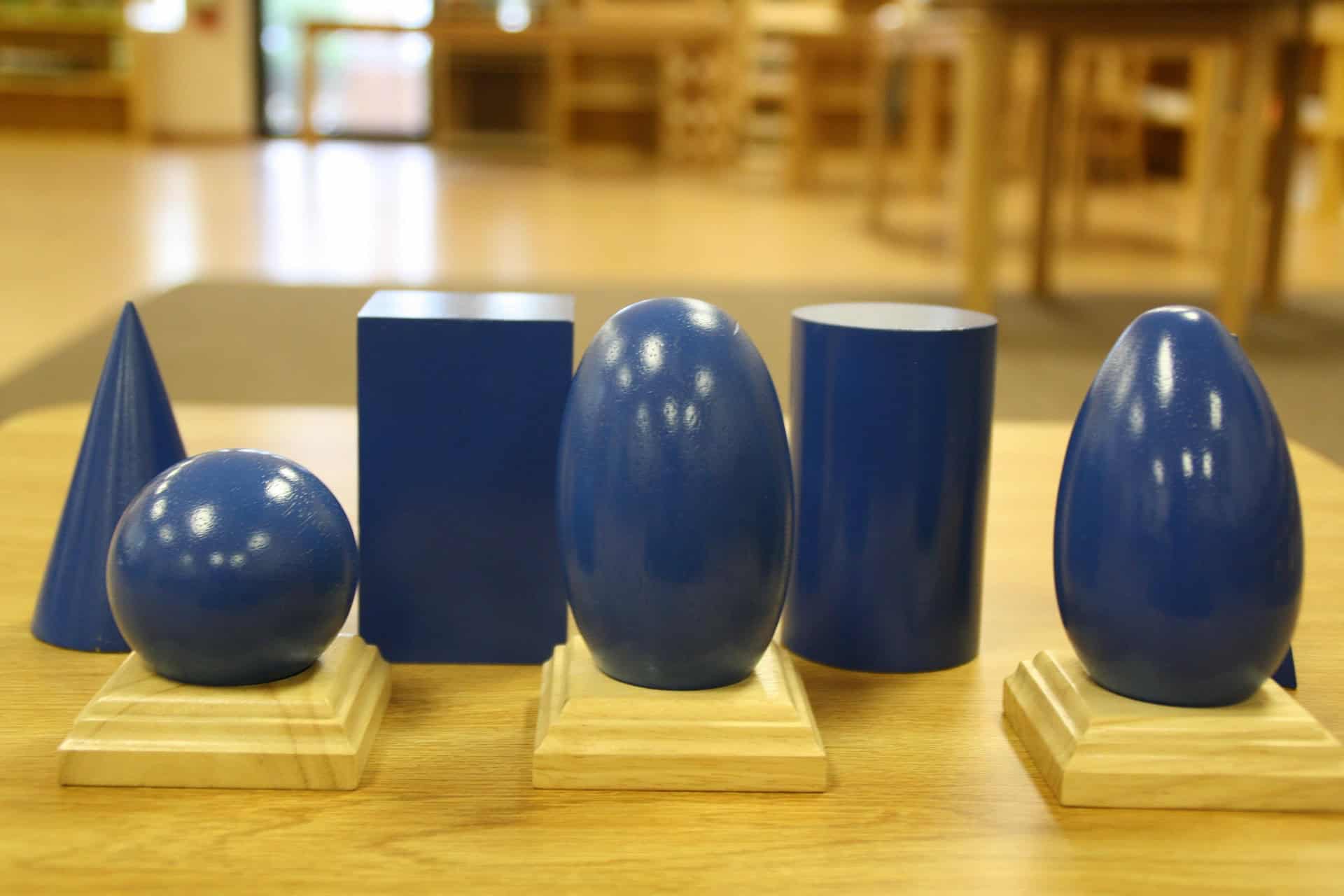
Montessori sensorial materials

Sensorial

Children refine the senses through purposeful work with color, shape, texture, sound, and dimension—developing observation and logical thinking.

Montessori language learning materials

Language

Stories, conversation, sound work, sandpaper letters, and the movable alphabet help children express themselves and grow into joyful readers and writers.

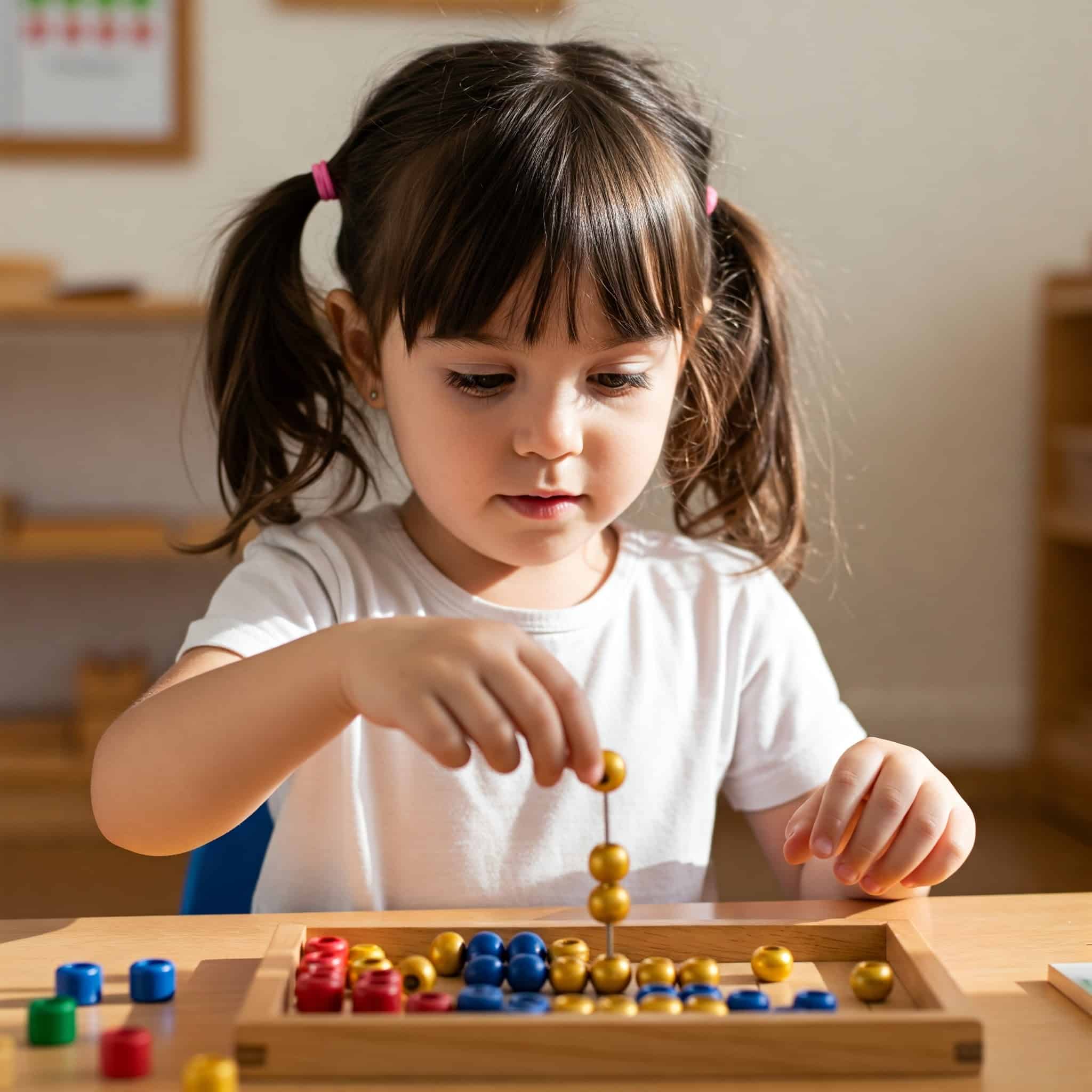
Montessori mathematics materials

Mathematics

Beads, blocks, rods, and number materials make abstract ideas visible—giving children a deep, confident understanding of quantity, pattern, and operations.

Children exploring the world through Montessori cultural studies

Culture, Science & the World

Maps, globes, art, music, nature study, and science exploration extend learning beyond the classroom. Children ask questions, investigate their world, and develop curiosity and respect for the people and places around them.

Beyond the core curriculum

More ways to discover, create, and move.

A rich school day includes engaging experiences that help children connect ideas, express themselves, and develop as well-rounded learners.

Creative expressionArt and open-ended materials nurture imagination, fine-motor skills, and confidence.
Music & movementRhythm, songs, and movement bring joy while supporting coordination and self-expression.
Science explorationChildren observe, experiment, garden, and investigate how the natural world works.
Global awarenessGeography, traditions, and cultural studies help children feel connected to a wider world.
How children grow

Guidance that honors each child’s pace.

Montessori classrooms are intentionally calm, inviting, and organized. Children choose meaningful work, repeat it until they feel satisfied, and gradually take on more complex challenges.

01
Observe

Educators get to know each child’s interests, strengths, and emerging needs.

02
Present

A thoughtful lesson introduces a material at the moment it will be most meaningful.

03
Practice

Children repeat and explore independently, building mastery and concentration.

04
Grow

New challenges are added as confidence and curiosity expand.

Family questions

Montessori for Ages 3–6: Fostering Independence & Discovery

The best way to see Montessori in action is to visit a classroom. Until then, these answers may help.

What does “authentic Montessori” mean?

It means children learn with hands-on Montessori materials in carefully prepared environments, with freedom to choose purposeful work and guidance tailored to their individual development.

Will my child be prepared for kindergarten?

Yes. Montessori builds practical independence, concentration, early literacy, mathematical understanding, communication, and confidence—skills that help children transition successfully to their next stage.

How is Montessori different from a traditional preschool?

Rather than directing every activity, educators present purposeful materials and guide children as they explore. Learning is active, individualized, and rooted in real understanding instead of memorization alone.

Do children have opportunities for art, science, and movement?

Absolutely. These experiences enrich the Montessori curriculum and give children meaningful ways to create, investigate, move, and connect learning across subjects.

See it in action

A classroom can say more than a brochure.

Come see the materials, the thoughtful spaces, and the joy of children engaged in meaningful work.