Skip to content
Sugar Land: 281-277-2702 Sienna: 281-778-9780
logosecond
  • Home
  • About Us
    • Why Choose MSSL
    • Curriculum
    • Mission & Philosophy
    • Enrichment Classes
      • French
      • Spanish
      • Zumba
      • Soccer
      • Music
      • Science
      • Book Club
    • Healthy Meals
    • FAQs
  • Programs
    • Infants
    • Toddlers
    • Transition
    • Primary
    • Private Kindergarten
    • AfterSchool
    • Summer Camp
  • Resources
    • Our Blog
    • Calendar
    • Newsletter
    • Menu
    • Ways to give
    • Photos
  • Campuses
    • Sugar Land Campus
    • Sienna Campus
  • Tuition
  • Admissions
    • Tour For Discount
  • Contact
  • Book A Tour
Book a Tour

5 Surprising Ways Preschools Benefit Your Infant or Toddler

  • April 22, 2023
  • By: Birane Faye
  • 2104
  • 0 Comments
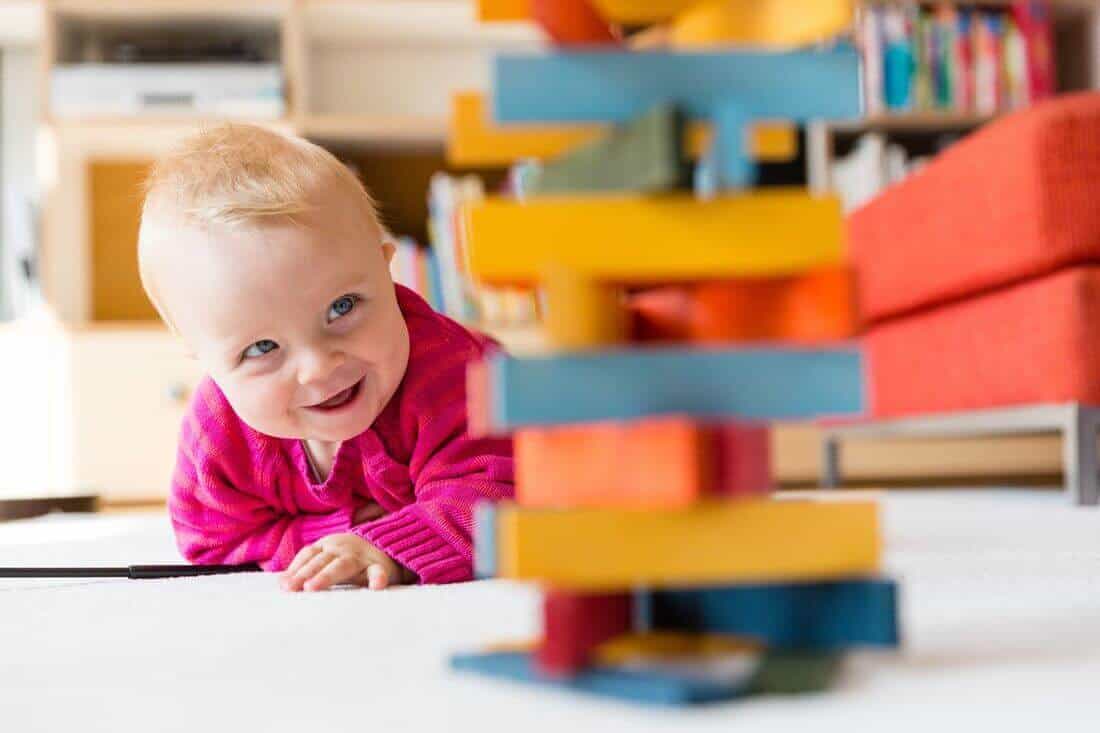
montessori infant

Preschool for infants and toddlers? You might wonder if we’ve lost our minds somewhere along the way. The fact is, we are completely sane and are setting out to prove to you ways that preschools do, indeed, benefit infants and toddlers.

In fact from infancy to the age of four are critical phases in childhood development. According to Montessori founder Dr. Maria Montessori, children in this age range are learning to react to stimuli in the environment, developing practical skills, mastering our language, and practicing mathematics by sorting objects into shapes and colors.

Because this developmental phase is active, it’s the ideal time to enroll your child in preschool to optimize this natural ability to learn.

Here are five surprising ways that a properly-implemented preschool program will benefit your little one.

#1 – Developing social skills

It possibly will surprise you to learn that how well-developed your child’s social skills become in early life will influence them later in life.

During the first months of life, you see baby beginning to smile, coo at the mirror, and giggle. These are natural developments that result from the need to be social. Baby wants to entertain you—and that other baby he sees in the mirror.

Attendance at preschool helps babies sharpen their social skill. Through their interactions with other children, they learn to cooperate, collaborate, and compromise. Each of those values will serve your child throughout life.

#2 – Mastering motor skills

During this time, most children become more ambulatory. Now walking steadily, they begin to run, hop, skip, and throw objects. These are your child’s gross motor skills.

While these motions can wreak havoc on your home, preschool programs foster—and in fact, encourage—the development of these motions.

Gross motor skills foster a love of exercise and carry forward into lifelong of physical wellness. Some children even begin to show signs of excellence at certain sports—think of golf legend Tiger Woods playing golf at two years old.

Tiger Woods At 2 Years Old

#3 – Building language and reading skills

As you know, your child learned their first words by listening, interpreting what the sounds meant, then eventually verbalizing. It came naturally; of course, you encouraged it. However, children absorb language from around four months of age.

The very early years are when children best absorb linguistic concepts.

Were you required to study a foreign language at some point in your education? If you did, say in high school or college, it was likely a frustrating process. Typically, young children don’t display those frustrations. They just naturally begin to communicate.

Oddly enough, children who live in a dual-language household perform the same way—except in two languages. They fluently alternate between the two with little challenge.

Preschool includes opportunities for children to explore and master language through that same natural process. Programs also introduce reading in the same way that they learned to speak a language—by making books available, reading along with the children, and encouraging them as they reach milestones.

Children who build these essential language skills are great communicators who love to learn and excel at reading.

#4 – Applying mathematical concepts

Have you noticed that your baby loves to put together shape puzzles and sort objects out by color and size? Believe it or not, they are displaying the first signs of applying logic and basic mathematical concepts.

A preschool can transition a child from sorting to counting and even simple addition before they enter kindergarten—and without a punitive grading system that squelches enthusiasm.

Math challenges many students in the United States. The National Math + Science Initiative in Dallas estimates a mere 36% of American children graduate high school with college-ready math skills. This low performance stems from children fearing math. That alarming statistic underlines the need to foster math skills from a tender age.

Enrolling your infant or toddler in a preschool that builds on the young child’s natural interest in math spurs that curiosity, reinforces the principles they’ve mastered, and continues to build on that foundation of knowledge that your child can carry for life.

3-year-old Toby doing math

#5 – Becoming global leaders

Children in preschool gain firsthand exposure to other cultures. In the safety of the preschool setting, they most encounter children and teachers from backgrounds different from their own. They learn to accept and appreciate people in a way that helps children become global leaders.

In addition to meeting people who might look different than their families, children learn from preschool materials that introduce them to the world at large. Preschool classrooms celebrate diversity by including globes, maps, and even cultural art in their media.

So, you might be asking, “Why does that matter?”
Today, more than ever, the world seems to be “shrinking.” The internet closes the gap between continents and allows us to collaborate and conduct business across the globe with just a few clicks.

Moving into the future, high-paying, high-tech jobs will increase demand over the next few decades. High-tech workers will collaborate from around the globe. The ability to work together without prejudice, fear, or judgment will become a necessary job skill.

Does it not make sense to expose your children to those cultures and spark curiosity about the world at large from infancy?

Final Takeaway: How Preschool Benefits Infants and Toddlers

If you’ve been struggling with the idea of whether or not to place your child in preschool or a less formal daycare setting, you’re not alone. The notion of putting an infant in preschool might sound ludicrous at first glance. But, after you connect the early learning concepts to more advanced skills and knowledge, it all makes sense. Preschool benefits infants and toddlers.

If you’re interested in learning about the infant and toddler programs at Montessori School of Sugar Land, please schedule a tour. We want to meet you and learn more about that amazing child of yours.

Share

New posts

Why Montessori School of Sugar Land (MSSL) Is the Right Choice from 6 Weeks to 6 Years: A Year-Round Montessori Journey

March 10, 2026
summer camp

MSSL Summer Camp: A World of Fun Under One Sun

March 10, 2026

Montessori School vs Traditional Daycare

October 30, 2025
logo new @2x

Contact Us

Sugar Land Campus
4500 Austin Pkwy
Sugar Land, TX, 77479
281-277-2702 mssl@montessorisugarland.com Mon - Fri (7:00am - 6:00pm)
Sienna Campus
8900 Sienna Ranch Rd
Missouri City, TX, 77459
281-778-9780 sienna@montessorisugarland.com Mon - Fri (7:00am - 6:00pm)

About Us

Why MSSL Curriculum Mission Locations FAQs
Blog About Us Programs Admissions Contact

© Copyright 2024. All rights reserved  montessorisugarland.com

Privacy Policy
Home
Tour
Tuition
More
  • Home
  • About Us
    • Why Choose MSSL
    • Curriculum
    • Mission & Philosophy
    • Enrichment Classes
      • French
      • Spanish
      • Zumba
      • Soccer
      • Music
      • Science
      • Book Club
    • Healthy Meals
    • FAQs
  • Programs
    • Infants
    • Toddlers
    • Transition
    • Primary
    • Private Kindergarten
    • AfterSchool
    • Summer Camp
  • Resources
    • Our Blog
    • Calendar
    • Newsletter
    • Menu
    • Ways to give
    • Photos
  • Campuses
    • Sugar Land Campus
    • Sienna Campus
  • Tuition
  • Admissions
    • Tour For Discount
  • Contact
  • Book A Tour

benefits of 2 year old preschool, toddler vs preschool, benefits of preschool for toddlers, infint baby, what are the similarities between a preschooler and a toddler, is preschool good for toddlers

Understanding the Importance of Early Education

Early education plays a critical role in shaping a child's future. Research shows that the first few years of life are crucial for cognitive, social, and emotional development. During this formative period, children are like sponges, absorbing information and experiences that will influence their learning trajectories. Enrolling your child in a preschool program can provide them with a structured environment that promotes exploration and discovery, laying a strong foundation for lifelong learning.

Moreover, early education fosters essential skills such as problem-solving, critical thinking, and interpersonal communication. These skills are not only vital for academic success but also for personal development. For instance, children who engage in group activities in preschool learn to negotiate, share, and empathize with others, which are key components of emotional intelligence that will benefit them throughout their lives.

Benefits of the Montessori Approach for Infants and Toddlers

The Montessori approach to education is uniquely designed to cater to the developmental needs of infants and toddlers. This method emphasizes child-led learning, allowing children to explore their interests at their own pace. In a Montessori environment, children are encouraged to choose their activities, which fosters independence and self-motivation. This approach not only nurtures a love for learning but also builds confidence as children discover their abilities.

Additionally, Montessori classrooms are equipped with specially designed materials that promote hands-on learning. These materials are intended to engage young minds through sensory experiences, which are crucial for cognitive development. For example, practical life activities help children develop fine motor skills while also teaching them about their environment, such as pouring, sorting, and caring for plants. This holistic approach ensures that children are not just learning academic concepts but are also developing important life skills.

How Preschool Prepares Children for Future Learning

Preschool serves as a stepping stone for future educational success by introducing children to structured learning environments. In preschool, children learn to follow routines, listen to instructions, and interact with peers—all of which are essential skills for their academic journey. By gradually transitioning from home to a classroom setting, children become accustomed to the expectations of formal education, making their entry into kindergarten smoother and more successful.

Furthermore, preschool programs often incorporate a curriculum that aligns with early learning standards, ensuring that children are well-prepared for the challenges ahead. By engaging in activities that promote literacy, numeracy, and social skills, children develop a strong foundation that supports their transition into more advanced learning. This preparation not only boosts their confidence but also enhances their enthusiasm for school, setting the stage for a positive lifelong learning experience.

Encouraging Parental Involvement in Preschool Education

Parental involvement is a vital component of a child's educational experience, especially in preschool. When parents actively participate in their child's learning journey, it reinforces the importance of education and fosters a supportive home environment. Engaging in activities such as reading together, attending school events, and communicating with teachers can significantly enhance a child's development and learning outcomes.

Moreover, preschools often encourage parents to be part of the community through volunteer opportunities and workshops. This involvement not only strengthens the bond between parents and children but also helps parents understand the Montessori philosophy and how it benefits their child's growth. By working collaboratively with educators, parents can ensure that their child's individual needs are met, creating a cohesive support system that promotes optimal learning.