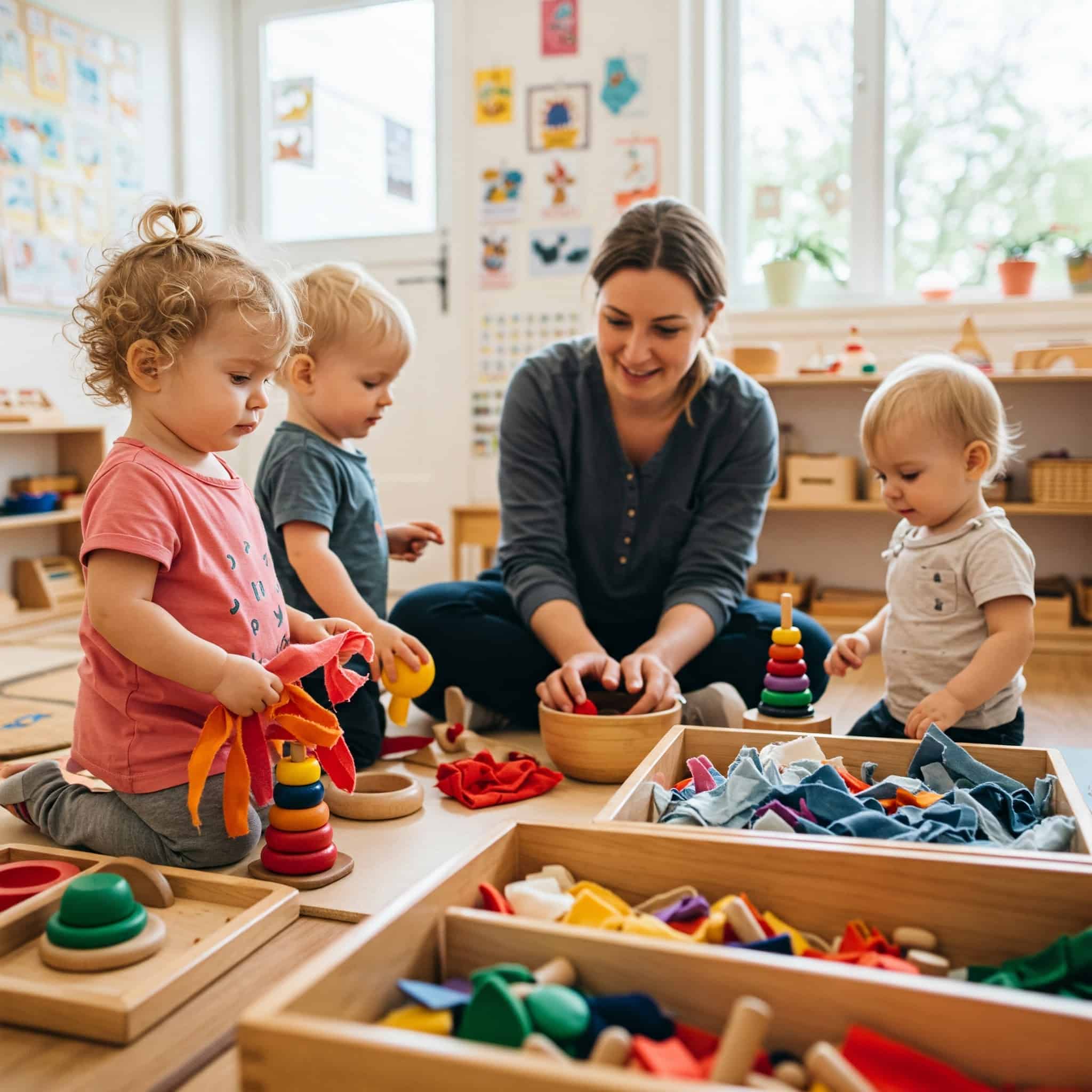
The first three years are the most critical in shaping a child’s mind, personality, and potential. Dr. Montessori called this stage the “spiritual embryo”—a time when children absorb language, culture, and the foundations of who they will become. At MSSL, we create nurturing environments that support this early development, encouraging independence, movement, and rich language experiences from the very start.
From ages 3 to 6, children experience a powerful phase of self-construction. With an “absorbent mind” and natural sensitivity to learning, they are eager to explore language, movement, order, and culture.
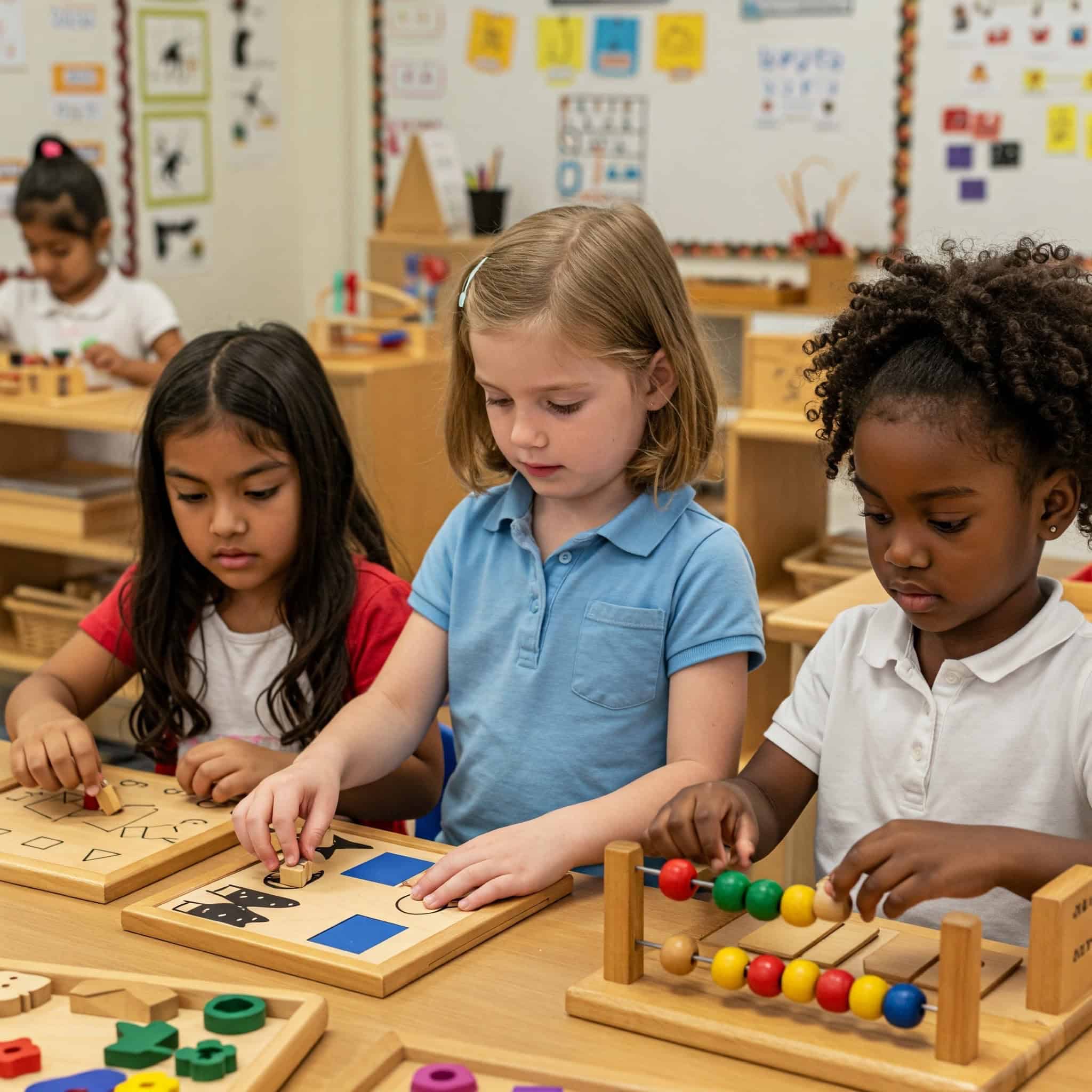
At MSSL, our Montessori environment supports this development through hands-on materials and guided discovery. Core areas include Practical Life, Sensorial, Language, and Mathematics, with enriching experiences in Art, Music, Science, Geography, and Cultural Studies.
Children are introduced to the wider world—through globes, maps, songs, and stories—encouraging curiosity, independence, and a deep respect for others.
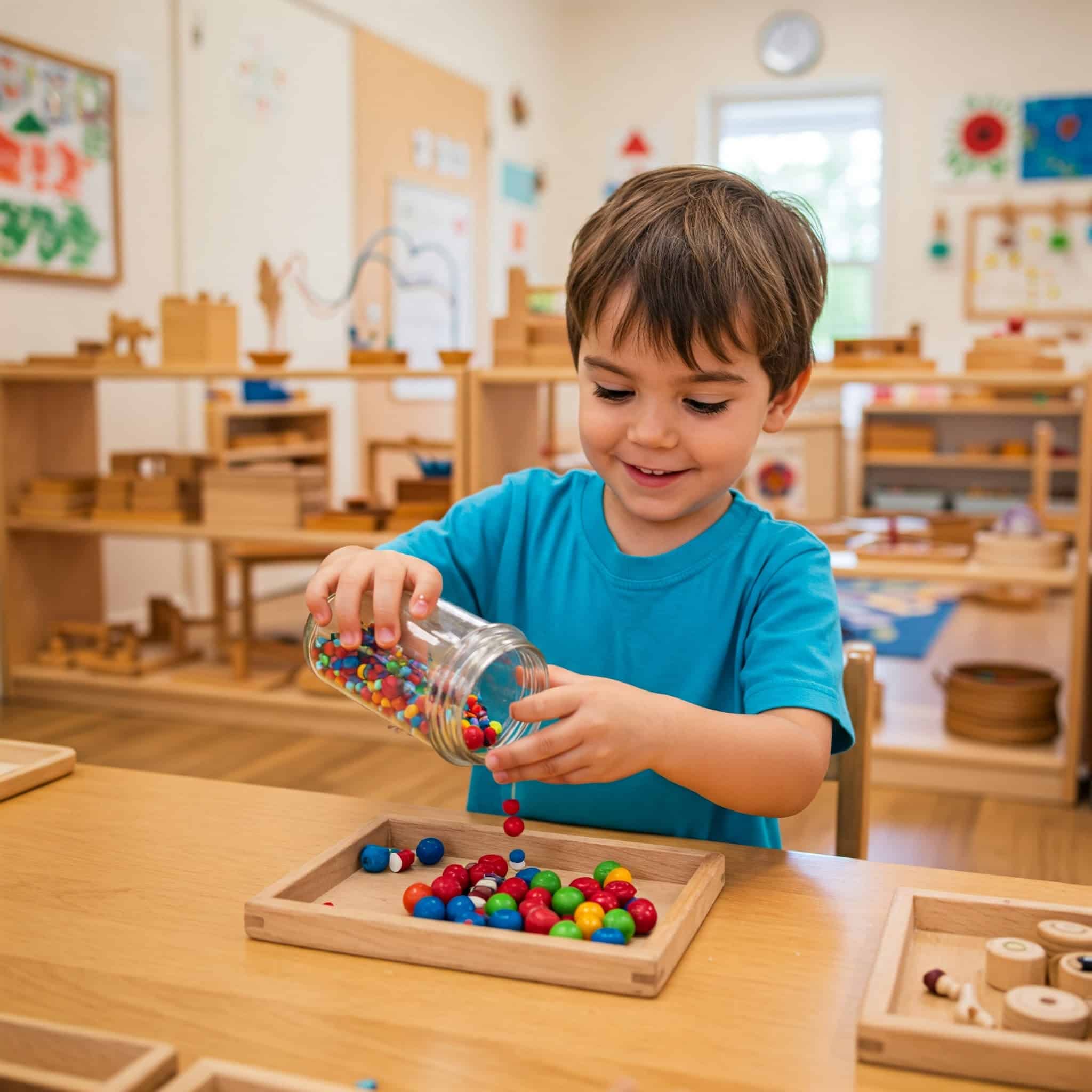
Practical Life is where the Montessori journey begins. Rooted in real-life tasks, this area bridges the child’s home and school experience, nurturing independence, coordination, and confidence.
Through meaningful activities such as pouring, buttoning, cleaning, and food preparation, children develop fine motor skills, concentration, and a strong sense of accomplishment. Practical Life focuses on four key areas: control of movement, care of self, care of the environment, and grace and courtesy. Each experience encourages the child to work with purpose and focus, building essential life skills and a quiet confidence that prepares them for all future learning.
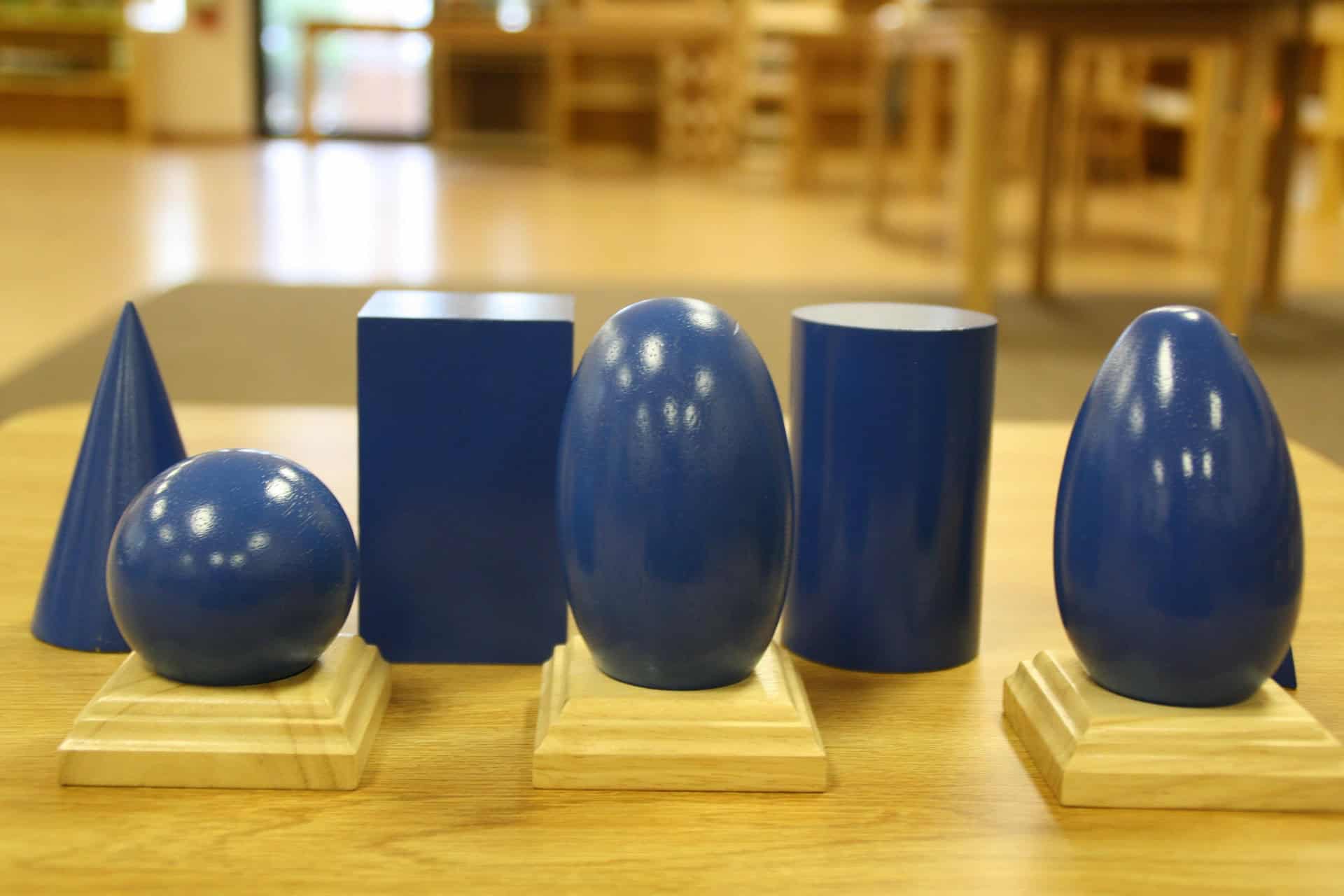
From an early age, children are naturally drawn to order, they sort, compare, and explore to make sense of their world. The Sensorial area fuels this curiosity by offering hands-on materials that refine the senses and sharpen perception.
Through activities that explore color, shape, texture, sound, and more, children learn to observe with precision and think critically. As they match, grade, and name what they experience, they build the foundation for logical thinking, language development, and joyful discovery.
At MSSL, language is not taught in isolation, it grows naturally from a child’s own curiosity and love of communication. Through songs, stories, conversations, and hands-on materials, children build a rich vocabulary and a deep connection to spoken and written language.
Writing begins with fine motor development and sound recognition. Children trace sandpaper letters, explore sounds, and soon begin forming their own words using the movable alphabet. As they write, they naturally begin to read – first their own stories, then books. The Montessori approach transforms language into a joyful journey of expression, creativity, and confidence.
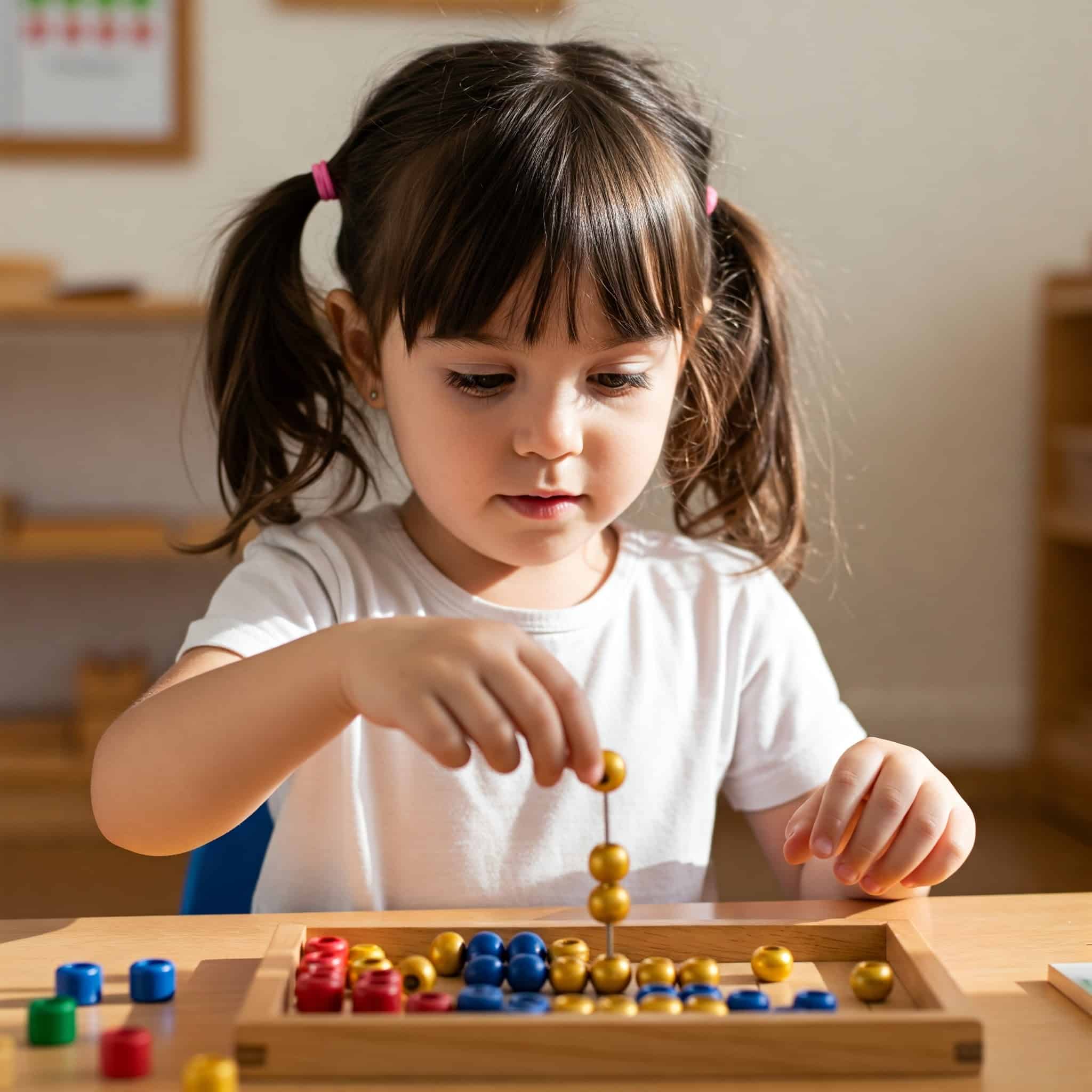
In the Montessori classroom, math is hands-on, visual, and joyful. Children build a deep understanding of numbers by working with concrete materials that bring abstract concepts to life.
Through beads, blocks, and number rods, they explore addition, subtraction, multiplication, and division with confidence and curiosity. Early sensorial work has already introduced them to patterns, size, and sequence – laying a natural foundation for math. As they progress, children discover that math is not just about numbers, but a powerful way to make sense of the world around them.
© Copyright 2024. All rights reserved montessorisugarland.com
montessori home school, montessori, montessori school, montessori school near me, montessori learning environment, montessori studies, montisorri school, montessori school brunei, montesaury, american montessori society curriculum areas practical life sensorial language math cultural, montessori school of sugar land sienna, montessori teacher, montessori school teacher training, montessori preschool philosophy
Art and creativity are integral components of the Montessori curriculum, allowing children to express themselves freely and explore their imaginations. Through various artistic activities, such as painting, drawing, and crafting, children develop their fine motor skills and learn to appreciate different forms of expression.
In addition to enhancing creativity, these activities also promote cognitive development. For example, while engaging in art projects, children learn about colors, shapes, and textures, which further enriches their sensory experiences. The process of creating art encourages problem-solving and critical thinking, laying a foundation for innovation and self-confidence.
The science curriculum at Montessori School of Sugar Land emphasizes hands-on exploration and discovery of the natural world. Children are encouraged to observe, experiment, and ask questions, fostering a sense of curiosity and wonder about their environment. Through activities like gardening and simple experiments, they learn about life cycles, ecosystems, and the principles of nature.
By integrating science into everyday learning, children develop analytical skills and a deeper understanding of the world around them. For instance, observing the growth of plants or conducting simple physics experiments helps them grasp scientific concepts in a tangible way, making learning both engaging and meaningful.
Geography and cultural studies play a vital role in broadening children's perspectives and fostering respect for diversity. Through maps, globes, and cultural artifacts, children explore different countries, traditions, and lifestyles, enhancing their global awareness and empathy for others.
This aspect of the curriculum not only teaches children about geography but also encourages them to appreciate the rich tapestry of human experience. By learning about various cultures, children develop a sense of belonging to a larger community and are inspired to celebrate differences while recognizing commonalities.
Physical development is a cornerstone of the Montessori approach, focusing on movement and coordination as essential elements of a child's growth. Activities designed to enhance gross and fine motor skills, such as climbing, balancing, and manipulating small objects, are integral to the curriculum.
Engaging in physical activities not only promotes health and fitness but also supports cognitive development. As children navigate their environment and engage in movement-based learning, they improve their concentration, coordination, and overall confidence, preparing them for future challenges both in the classroom and beyond.